Modern infrastructure management improves uptime with smart alerting, automation, and unified response.
Why Modern IT Teams Are Moving Beyond Traditional Monitoring
Technology environments move faster than ever before. Cloud workloads can scale within minutes, applications depend on services running across hybrid and multi cloud setups, and users expect smooth and uninterrupted experiences. Even with this speed, many IT teams still rely on monitoring tools and manual processes that were created for systems that rarely changed.
As infrastructures grow more distributed and complex, basic monitoring does not provide the visibility or responsiveness teams need. What used to be enough to maintain stability is no longer sufficient. Modern environments require something more adaptable. Intelligent infrastructure management brings together observability, automation, smarter alerting, and real-time communication to help teams keep systems steady, reduce noise, and respond faster when something goes wrong.
This shift is not simply a technological upgrade. It is a necessary evolution for organizations that want to build resilience and operate confidently in unpredictable, high velocity environments.
What Infrastructure Management Means in Modern IT Environments
Infrastructure management includes the processes and tools that keep the systems behind digital operations healthy, efficient, and available. These systems include servers, networks, data storage, cloud platforms, hybrid workloads, data centers, application services, and the observability tools that monitor behavior and performance.
Modern infrastructure management gives teams a complete view of these components in one place. Instead of jumping between multiple dashboards, teams can quickly identify issues, track performance trends, and maintain predictable operations. It also helps organizations automate repetitive tasks and handle sudden shifts in workload demands before they affect users.
For growing businesses, this approach supports scale. As applications expand, new services are deployed, or workloads move between environments, infrastructure teams need accurate, real-time visibility to maintain performance and prevent interruptions. Tools like automated incident management help reinforce this structure by reducing manual work and speeding up resolution.
At its core, the goal of infrastructure management is straightforward. Keep systems reliable, resilient, and aligned with the outcomes the business depends on.
Why Traditional Infrastructure Management Falls Short
Many legacy tools were developed when IT environments were more predictable. Servers ran in physical data centers, changes were infrequent, and workloads followed steady patterns. That world has changed. Modern systems shift constantly, and the tools that once supported stability now create new challenges.
One of the biggest issues is alert fatigue. Monitoring tools generate overwhelming amounts of data. Without the support of correlation or suppression, teams are buried under alerts that all demand attention, even though only a few represent real concerns. Using smart alert correlation helps eliminate duplicates, combine related alerts, and highlight meaningful signals.
Response times also slow down when organizations rely on manual escalation workflows. Routing incidents through emails or outdated contact lists adds unnecessary delays. Modern teams benefit from automated escalation paths, such as the ones provided through alert escalation management, which ensure that the right people are notified immediately based on skill, availability, and severity.
Visibility becomes another challenge when information is spread across different tools. Hybrid and multi cloud architectures require unified oversight to avoid blind spots. Without a central source of truth, teams waste valuable time switching dashboards, collecting data, and trying to understand the full picture of an issue.
Communication during major incidents often becomes disorganized. Leaders, responders, and stakeholders may receive updates at different times or with inconsistent information. Solutions like stakeholder communication help ensure updates stay clear, timely, and accurate throughout an incident.
These gaps increase operational risk and make it harder for organizations to meet uptime expectations. Modern IT environments require tools that support automation, intelligence, and coordinated response from start to finish.
Best Practices for Strengthening Modern Infrastructure Management
Reducing Noise and Improving Signal Quality
High alert noise slows down every stage of incident response. Teams can simplify detection by using correlation tools to group similar alerts into a single event and remove unnecessary or duplicate notifications. This helps responders concentrate on real issues instead of sifting through noise. Capabilities like AI based alert correlation offer immediate improvements in clarity and focus.
Speeding Up Escalations and Response Workflows
Escalations are most effective when they do not rely on manual routing. Automated paths help incidents reach the right people based on the type of issue, severity level, and on call schedule. Platforms such as on call scheduling and alert escalation management remove delays by creating structured, reliable workflows.
Improving Communication During Service Impacting Events
Fast, clear communication prevents confusion during outages and performance issues. Teams work better when all responders share the same information and updates flow consistently across channels. Centralized collaboration, incident timelines, and structured updates help everyone stay aligned. This is a key strength of modern stakeholder communication solutions.
Supporting Stability Through Integrations and Automation
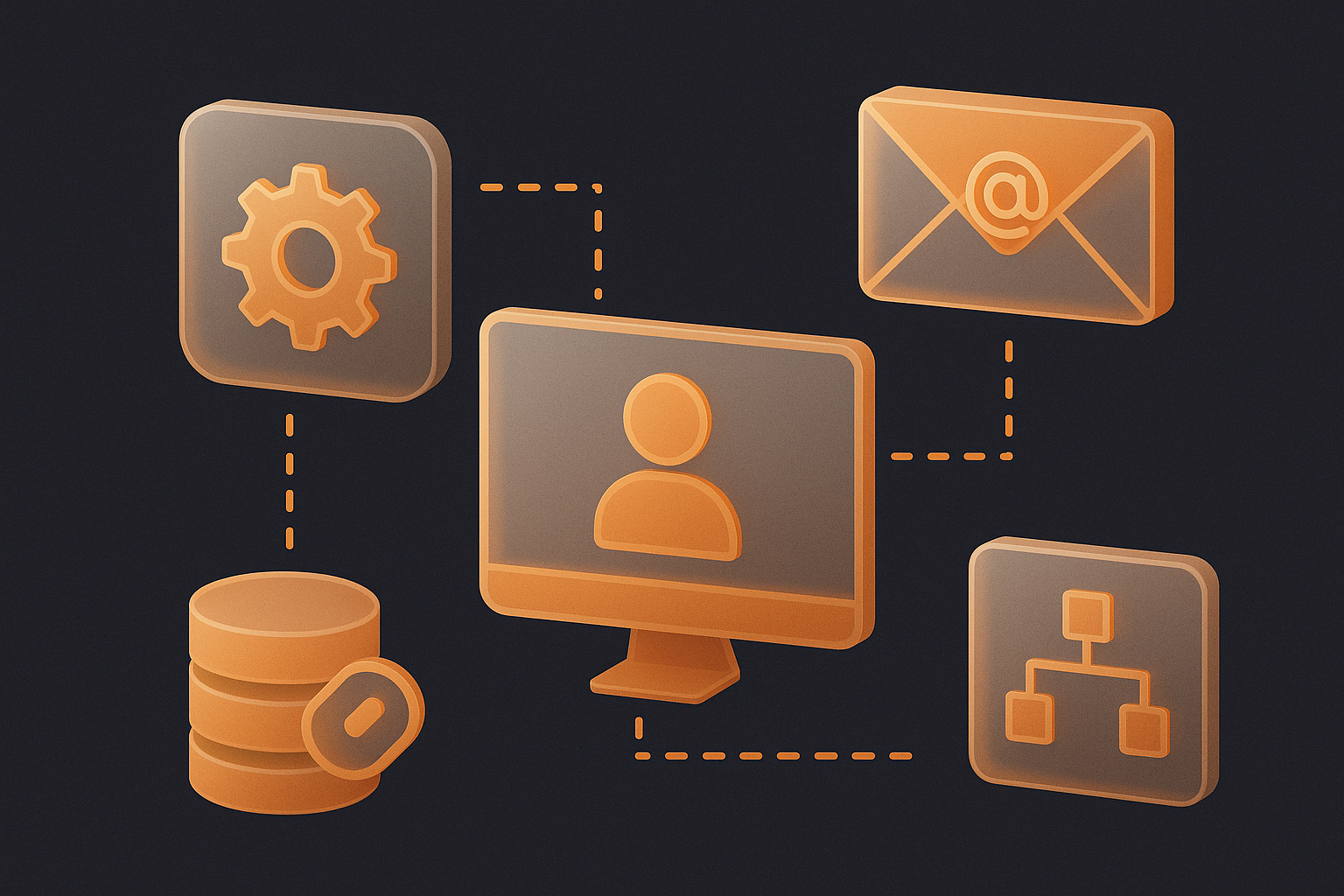
Integrating observability, ITSM, DevOps, and collaboration systems creates a more unified workflow. Automation can then take action based on alerts, trigger runbooks, restart services, or open tickets automatically. This reduces manual tasks and increases the speed and consistency of recovery. Capabilities found in automated incident management help reinforce operational stability across environments.
How Intelligent Infrastructure Management Prepares Organizations for the Future
Modern IT environments never stay still. New services are adopted, workloads move, and technologies evolve. Relying on basic monitoring is no longer enough to keep systems reliable or support growing operational demands. Intelligent workflows that reduce manual work, deepen visibility, and accelerate decisions are now essential.
Smarter alerting, automated escalations, unified communication, and integrated observability create a strong foundation for reliability. These capabilities help organizations prevent outages, reduce noise, and recover quickly when incidents occur.
Platforms like AlertOps bring these elements together. By centralizing alert data, connecting hybrid environments, and automating response paths, AlertOps helps teams reduce MTTR, avoid alert overload, and maintain high reliability even as infrastructures become more complex. Tools such as post incident reporting also improve learning and long-term resilience by helping teams analyze events and prevent similar issues in the future.
Intelligent infrastructure management is no longer optional. It has become the key to building operations that are resilient, scalable, and ready for what comes next.