One platform. Every incident.
Detection to postmortem.

AlertOps runs the full incident lifecycle from detection to postmortem on one platform, so engineering and ops teams stop reassembling response per outage.

Alert Noise Reduction

↓ 68%

Global NOC, post-deployment.

MTTR Reduction

60%

High-volume OpsIQ deployments.

Alert Correlation

One record. Everything the responder needs.

Alerts from across your monitoring stack arrive grouped into one incident record per real event.

pexels-markusspiske
pexels-mikhail-nilov

Smart Escalation

Page unacknowledged. Backup pulled in automatically.

Multi-dimensional escalation rules cover service, severity, CI, team ownership, and shift, with automatic failover when a page goes unacknowledged.

Two-Way ITSM Sync

AlertOps runs response. ITSM keeps the record.

AlertOps maintains bidirectional sync with ServiceNow and Jira covering field mapping, state transitions, work notes, resolution notes, and escalation timeline.

pexels-walls-io

OpsIQ™
From the first alert to the postmortem.

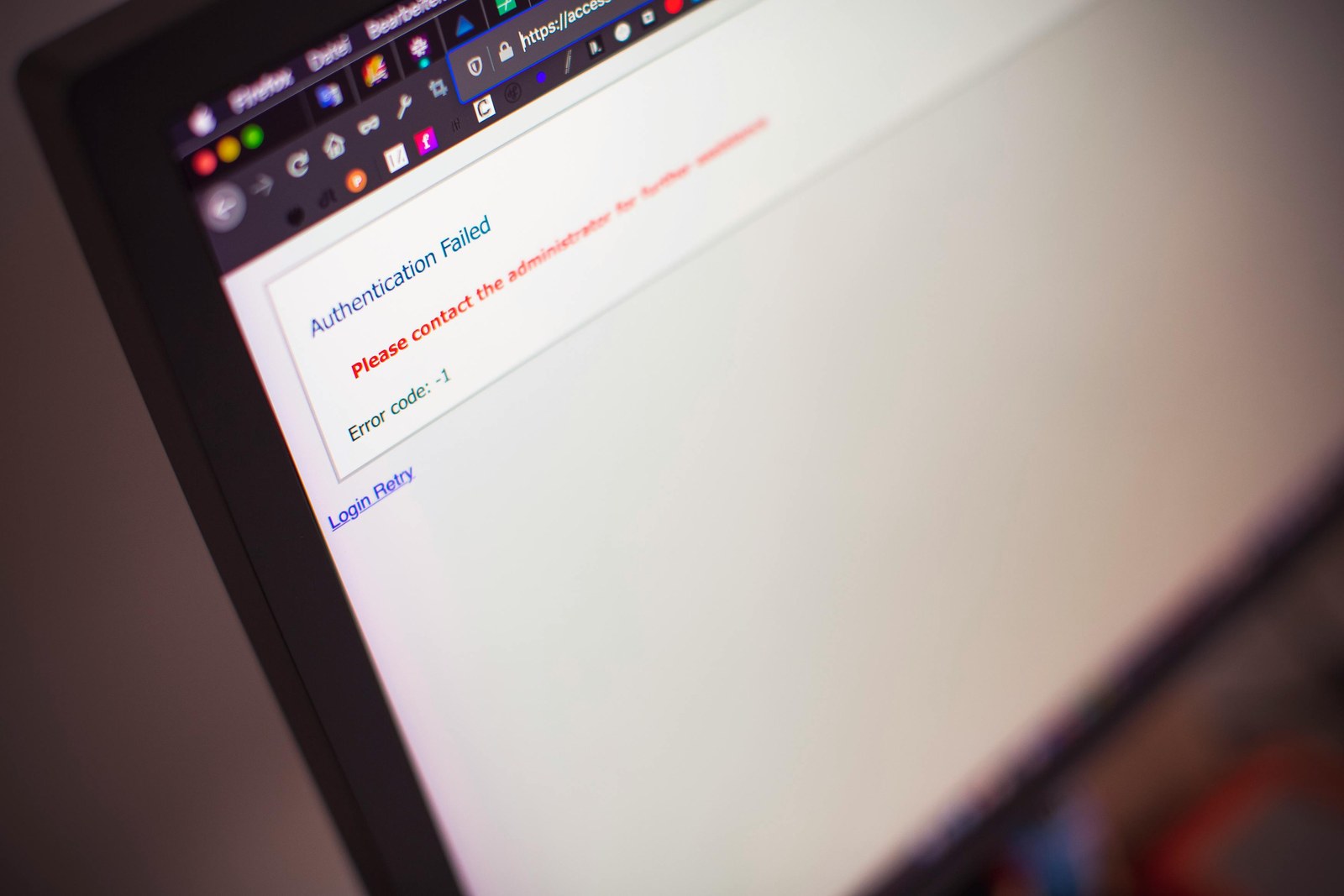
OpsIQ runs between detection and notification, grouping related alerts into one incident and enriching it with service context, ownership, and prior resolution history.

Your responder opens the incident already knowing what broke, who owns it, and what worked last time. The triage happens before the page fires, not after.

opsiq

Trusted by Teams Resolving Incidents

Hear from operations leaders who transformed their incident response with AlertOps.

ITAlerting_MomentumLeader_Leader
ITAlerting_HighPerformer_Mid-Market_HighPerformer
ITAlerting_HighPerformer_Canada_HighPerformer
ITAlerting_BestMeetsRequirements_Mid-Market_MeetsRequirements

See AlertOps run a major incident end to end

Join enterprises using AI to stay ahead of outages and reduce operational risk.